
Los Cabos is entering a new phase of development, where infrastructure is becoming a central focus of its continued growth. As the region expands through tourism, population increases, and new residential communities, investment in roads, water systems, and public spaces is reshaping how the destination functions day to day.
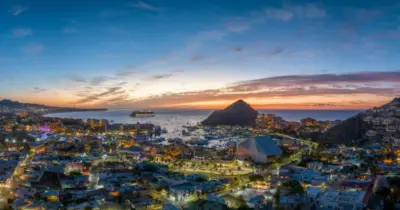
Growth Creating New Demands
Over the past decade, Los Cabos has seen rapid expansion driven by tourism and migration. This growth has brought clear economic benefits, but it has also placed pressure on existing infrastructure. Increased traffic, higher demand for water resources, and the need for improved urban planning have become key priorities across the municipality.
Improving Mobility Across the Region
One of the most visible changes is the focus on mobility. Projects such as the reconstruction of the Fonatur roundabout in San José del Cabo are designed to reduce congestion and improve traffic flow between the airport, the Tourist Corridor, and Cabo San Lucas.
At the same time, local paving and road improvement programs are being implemented across neighborhoods. These smaller projects play an important role in easing pressure on main highways and improving everyday movement for residents.
A Shift Toward Walkable Spaces
Urban planning efforts are also evolving. Initiatives focused on walkability aim to improve sidewalks, lighting, and pedestrian access in central areas. These changes enhance the experience of both residents and visitors while supporting local businesses and community interaction.
Addressing Water and Sustainability
Water infrastructure is one of the most important long-term priorities for Los Cabos. With increasing population and tourism demand, desalination projects and water distribution improvements are being expanded to ensure a more reliable and sustainable supply for the future.
Supporting Long-Term Development
Beyond transportation and water, broader infrastructure investments are underway. Expansions at Los Cabos International Airport, along with new healthcare facilities and public services, are helping the region adapt to its growing population and international reach.
These developments are not only supporting tourism but also strengthening the foundation for long-term residential living.
What This Means for Real Estate
Infrastructure is one of the strongest indicators of long-term market stability. Improved roads, utilities, and services make a region more livable, accessible, and attractive to both buyers and investors.
As Los Cabos continues to invest in its foundation, the region becomes more than a vacation destination. It evolves into a fully developed coastal market where lifestyle, accessibility, and long-term value align.
Final Thought
Los Cabos is not only growing, but it is also adapting. The current wave of infrastructure investment reflects a destination preparing for its next chapter, one built on stronger systems, better planning, and a more connected community.